
Walk into a sales gallery and everything feels fixed: the price sheet, the contract, the finish packages. The developer's team is friendly, polished, and very good at their jobs. Just remember who they work for.
I spent years as a floor trader and broker at the CME, where the price on the board was only the starting point of the conversation. New construction is no different. Here's how to choose the right building, where there's usually room to move, and where to be careful.
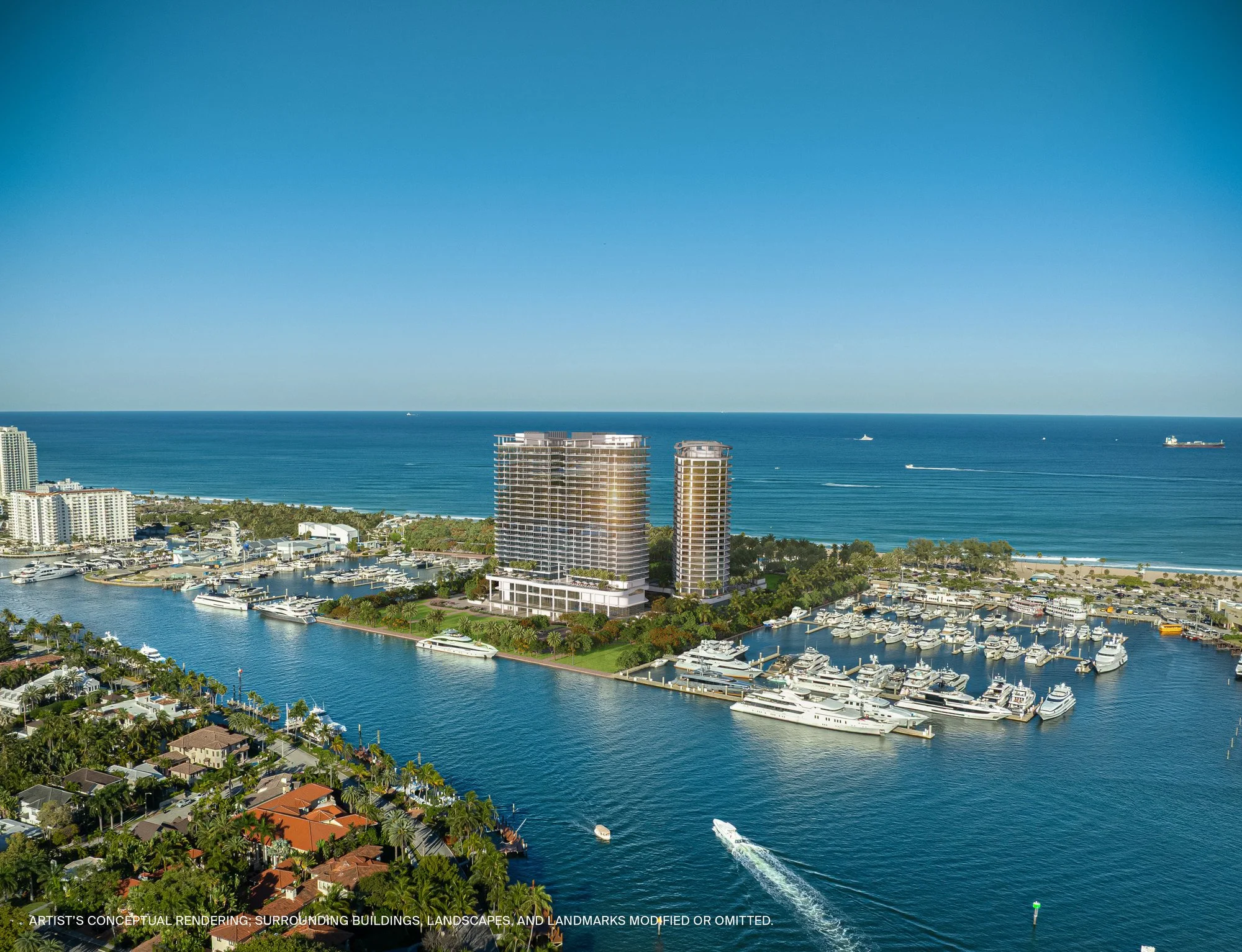
The St. Regis Residences at Bahia Mar, Fort Lauderdale Beach. Artist’s rendering. Courtesy of The Related Group.
1. Start with the right building, not the right brochure
Every sales gallery makes its project look like the obvious choice. The real question is which one fits your life, your budget, and your plans. Before you fall for a model residence, compare projects side by side:
- Location and lifestyle: walk to Las Olas, on the water, near the beach, or a quieter neighborhood
- Delivery timeline: when you can actually move in, and how firm that date is
- Total cost of ownership: HOA dues, what they cover, and how they may change once the developer turns the building over
- Deposit structure: how much is due and when, across each project you're considering
- The developer: what they've built before and how those buildings have held up
- Resale and rental rules: leasing restrictions, minimum stays, and how easy it will be to sell later
- Boating and water access: if a boat is part of the plan, see the next section
Seen one at a time, every project sounds great. Seen together, the right fit usually becomes clear.
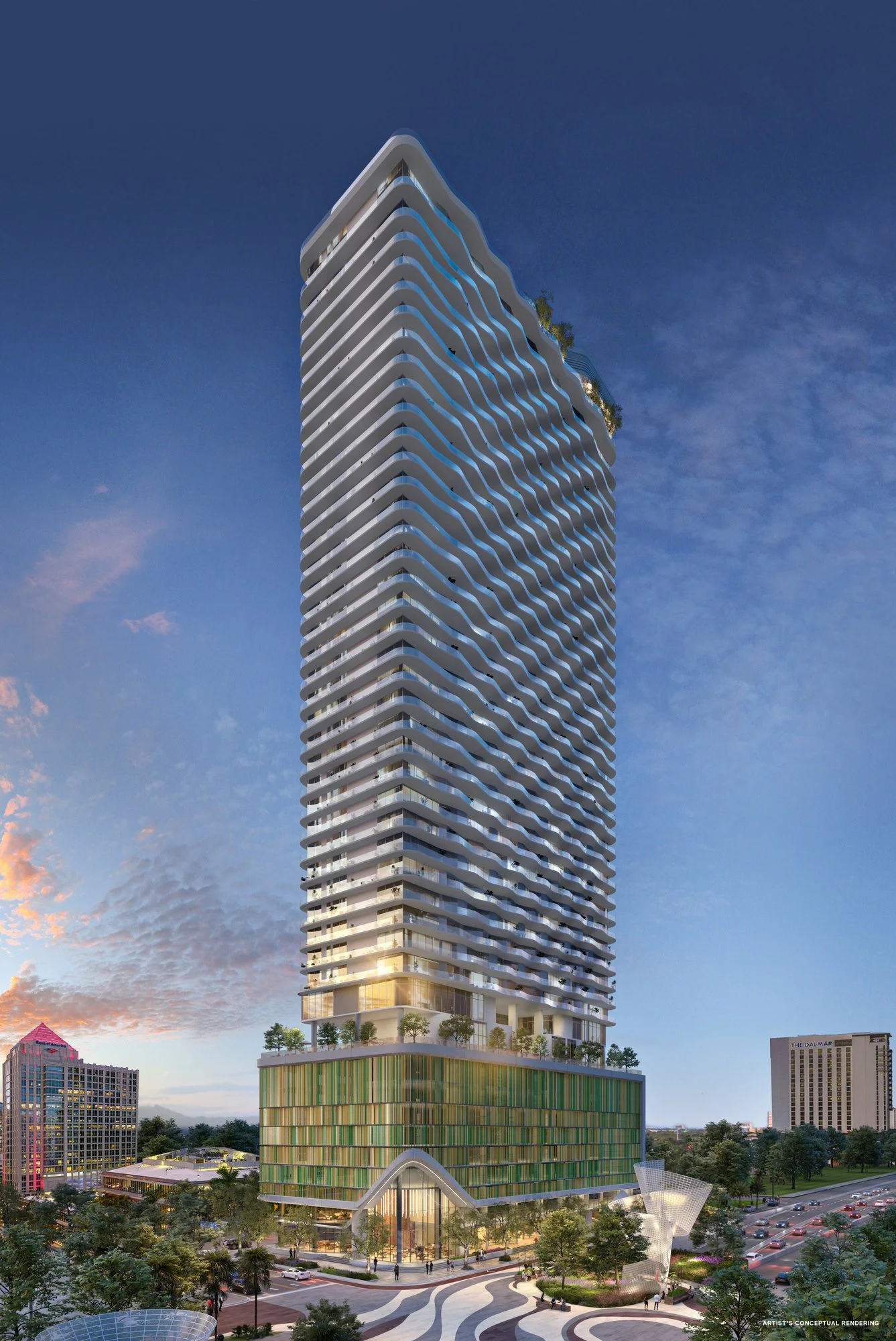
Andare Residences, 521 E Las Olas Boulevard, Fort Lauderdale. Artist’s rendering. Courtesy of The Related Group.
2. If a boat is part of the plan, the dock matters as much as the residence
Fort Lauderdale is the Venice of America, and plenty of new buildings advertise "boat slips" or "marina access." Those words can mean very different things. As a USCG-licensed captain and sailboat racer with more than 25 Chicago-to-Mackinac races, I look at a dock the way a boater does.
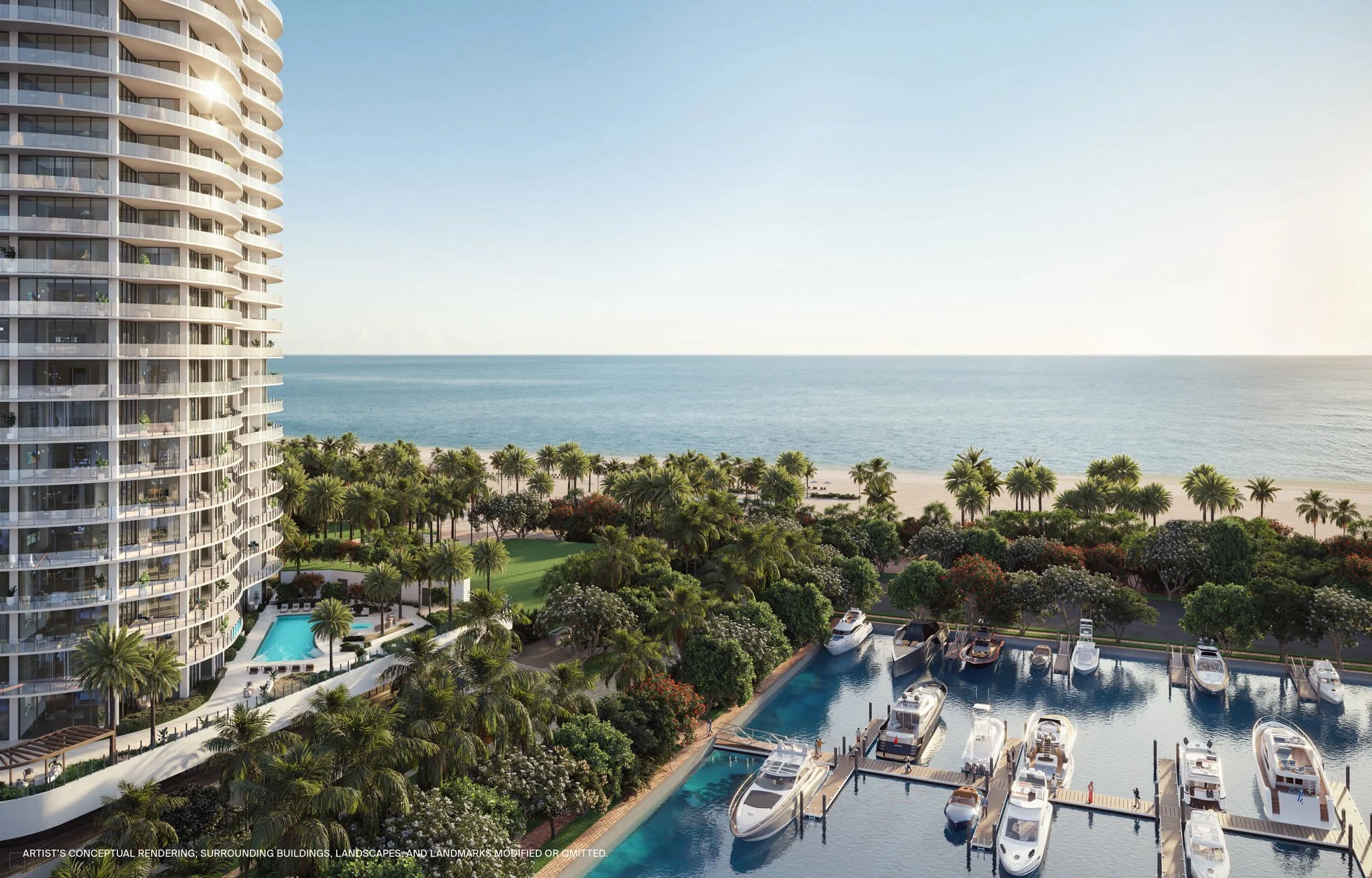
The marina at Bahia Mar, planned for 250 slips and yachts up to 350 feet. Artist's rendering. Courtesy of The Related Group.
Questions worth asking before you sign:
- Do you own the slip, lease it, or just get on a waitlist? A deeded slip, a long-term lease, a slip license, and a first-come marina waitlist are very different things to pay for and to resell.
- Is a slip guaranteed with your unit, and does it transfer when you sell? Get it in the contract, not just the brochure.
- Will your boat actually fit? Ask for the maximum length, beam, and draft the slip allows, and the water depth at low tide.
- How do you get to the ocean? Count the bridges between the dock and the inlet, and check whether they open or are fixed and how much clearance they have. This matters a lot for sailboats and larger boats.
- What's at the dock? Shore power (amps and voltage), water, lifts or pilings, fuel nearby, and security.
- What does it cost to keep a boat there? Slip fees, dock HOA charges, assessments, and any insurance the association requires.
- What do the dock rules allow? Guests, charters, liveaboards, hurricane plans, and whether you can rent out your slip.
A great view with the wrong dock can be an expensive mistake for a boater. The right dock can be the reason a residence holds its value.
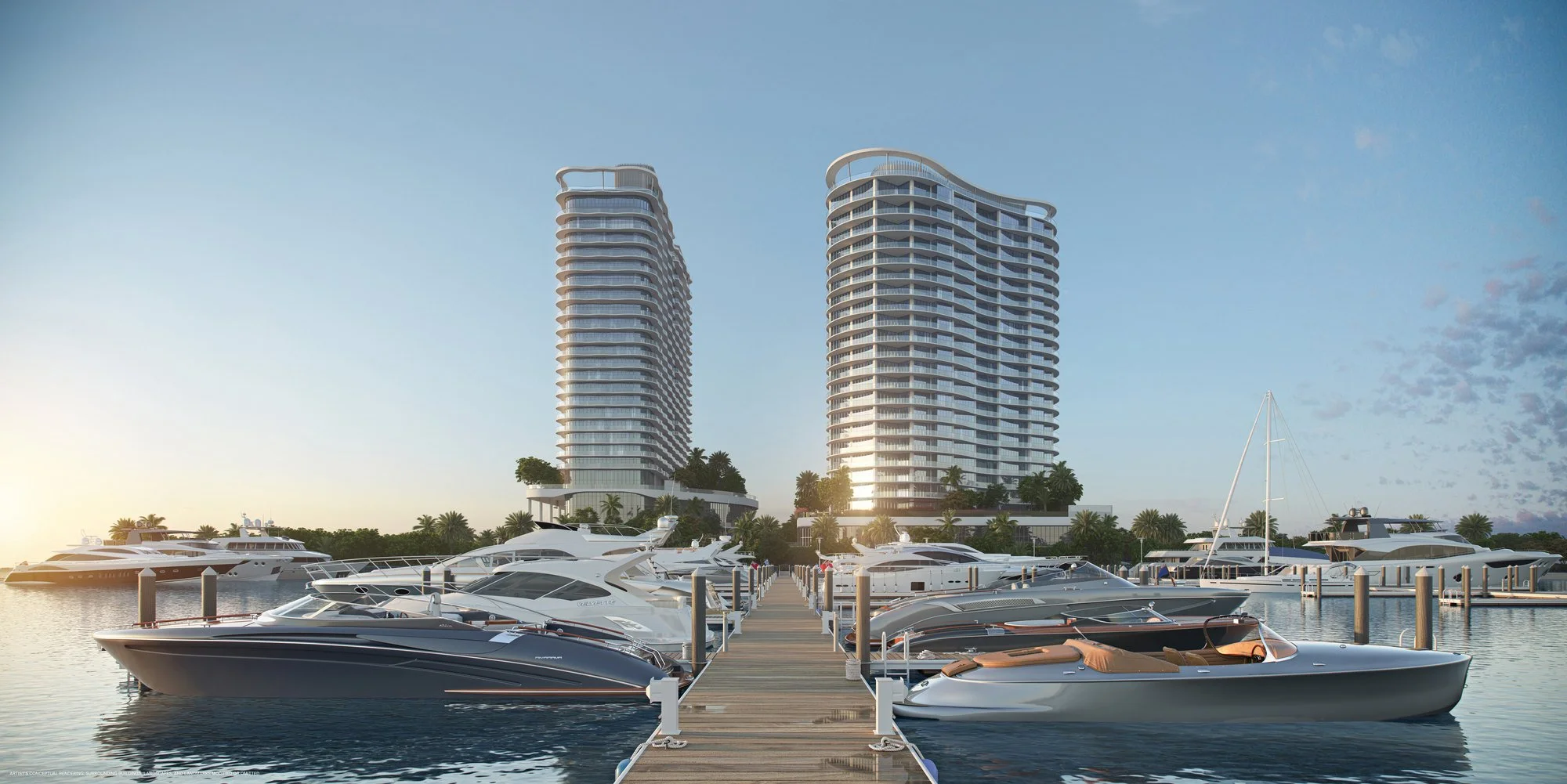
The marina at the St. Regis Residences at Bahia Mar, Fort Lauderdale. Artist's rendering. Courtesy of The Related Group.
3. Price is only one lever
Developers protect their published prices because every closed sale becomes a comp for the units still for sale. That's why a straight discount can be hard to get, while value in other forms is often easier:
- Upgraded finish or appliance packages
- Parking spaces, storage, or cabana rights
- Help with closing costs or developer-paid fees
- A better floor, view, or stack at the same price
- Flexibility on the deposit schedule
Ask about all of them. The best package is the one that matters most to you, not the biggest headline number.
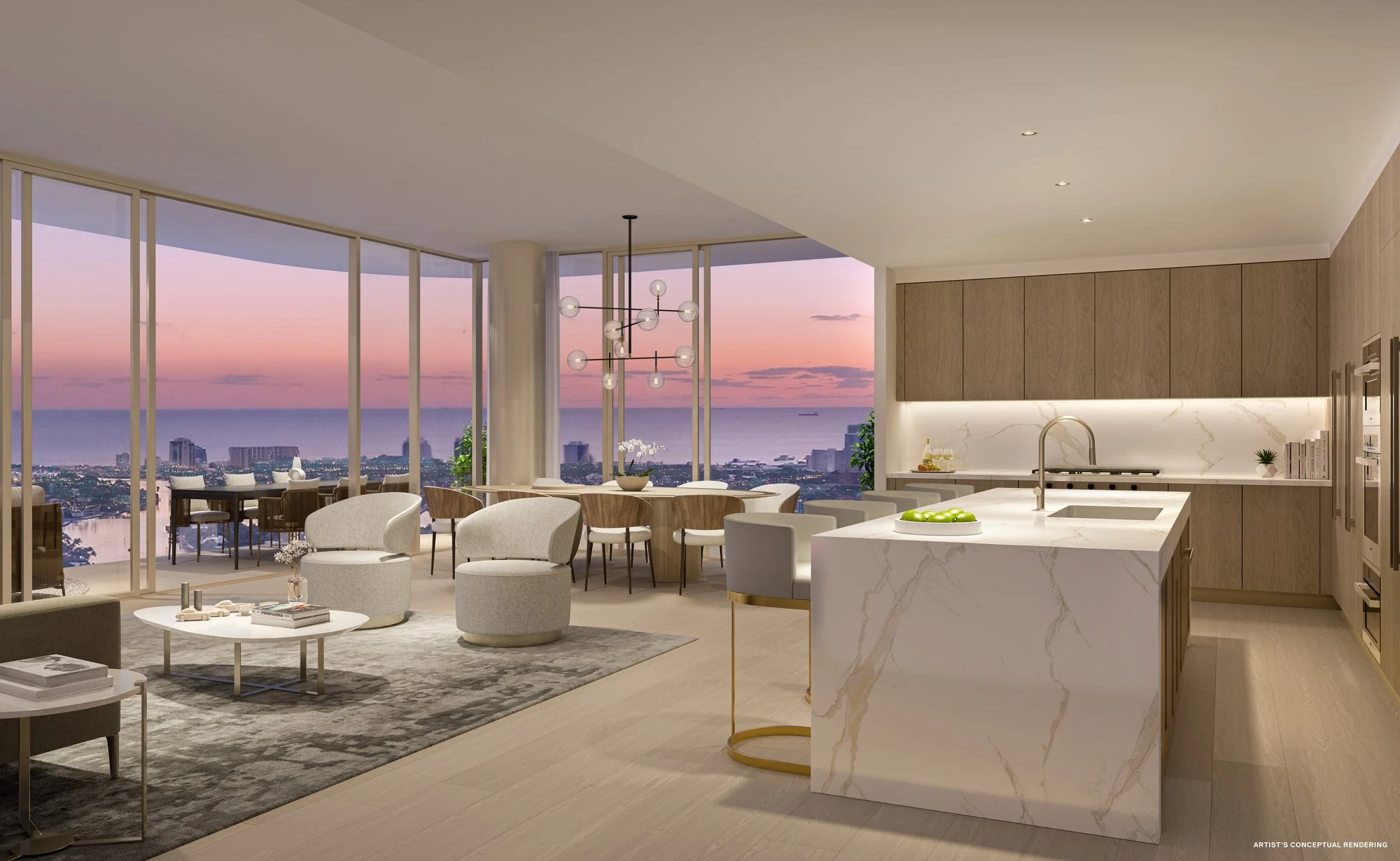
A residence kitchen at Andare Residences, Fort Lauderdale. Artist's rendering. Courtesy of The Related Group.
4. Timing changes everything
Where a project sits in its sales cycle shapes how flexible the developer can be. Early buyers may get pre-construction pricing and the best selection. Late in a project, the last few units or a model residence can sometimes come with real concessions, because the developer wants to close out and move on. Knowing how a building is selling helps you know when to push.
5. Read the deposit and escrow terms closely
Pre-construction deals typically call for deposits in stages before completion. In Florida, condo deposits have specific escrow protections under state law, but the contract decides how much goes in, when, and whether part of it can be used toward construction. Understand exactly what's at risk before you sign.
6. The developer's contract is written for the developer
Delivery dates, allowed changes to plans and finishes, assignment rights, and what happens if the project runs late are all spelled out in documents drafted by the developer's attorneys. Florida gives new condo buyers a short window to review the documents and cancel, so use it. I'd also recommend having your own real estate attorney review the contract.
7. Plan for the walkthrough and closing
Get punch-list rights, inspection access, and warranty terms in writing. An independent inspection before closing is worth it, even on a brand-new home.
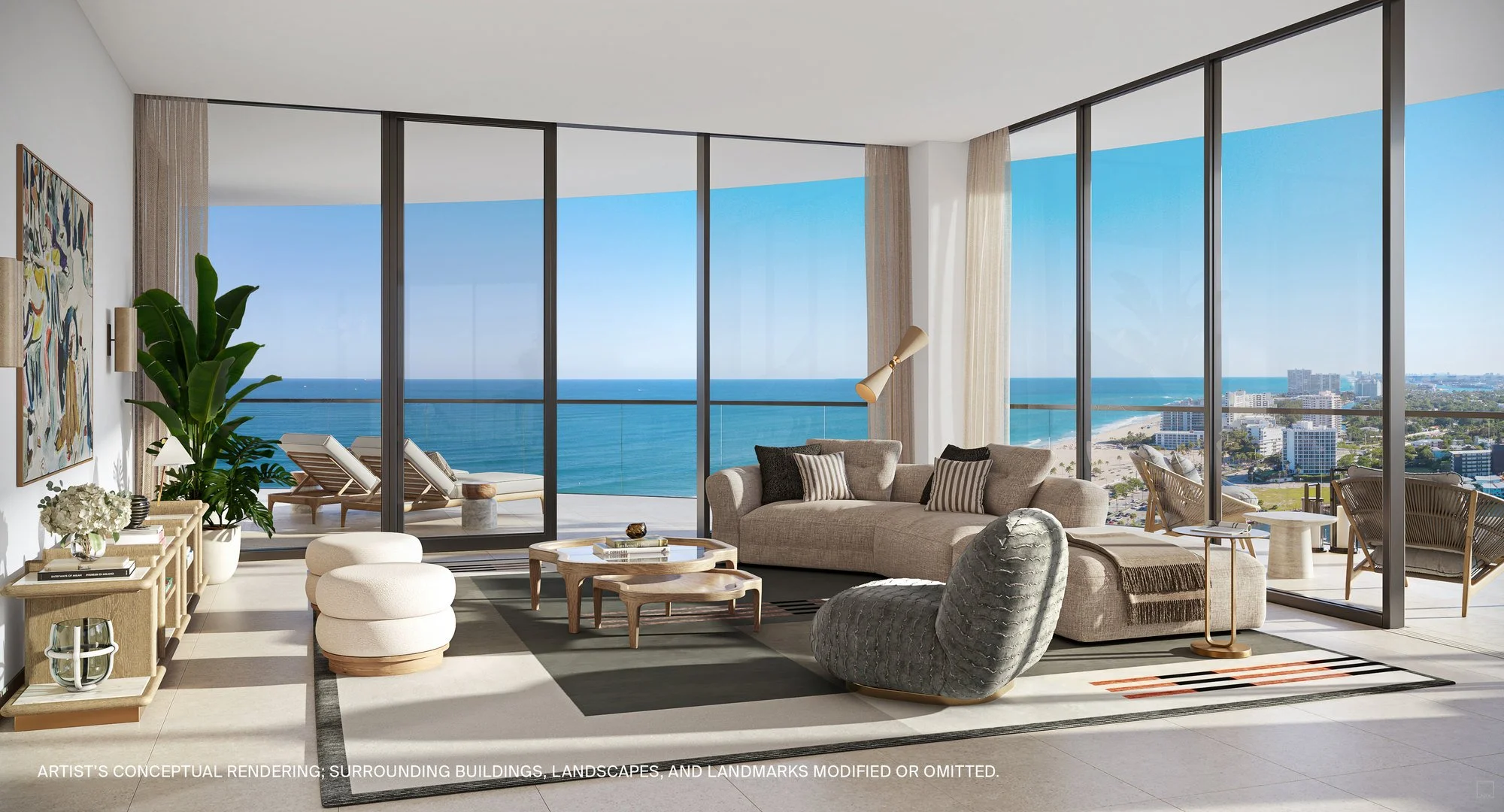
A private residence living room at the St. Regis Residences at Bahia Mar. Artist's rendering. Courtesy of The Related Group.
8. Bring your own representation
Registering with your own agent on your first visit generally costs you nothing extra, since the developer typically pays the broker's commission. Many developers require your agent to register you at or before your first visit, so reach out before you tour.
How I help
The sales team represents one building. I represent you, across all of them.
- I help you find your best fit. We start with how you want to live, then I narrow the field and compare projects side by side, including the strengths and the tradeoffs the brochures leave out.
- I look at the dock like a captain. If you boat, I'll check slip rights, fit, depth, bridges, and dock costs so there are no surprises after closing.
- I tour with you. I'll register you, join you at the galleries, and ask the questions that are easy to miss in the moment.
- I negotiate the whole package. Price, upgrades, parking, deposit timing, and closing costs, with a trader's sense of when to push and when to lock it in.
- I read the fine print with you. Deposits, delivery dates, and contract terms, and I'll bring in your attorney when it matters.
- I stay with you through closing. From the walkthrough and punch list to the keys, and I'm at my best when deals get complicated.
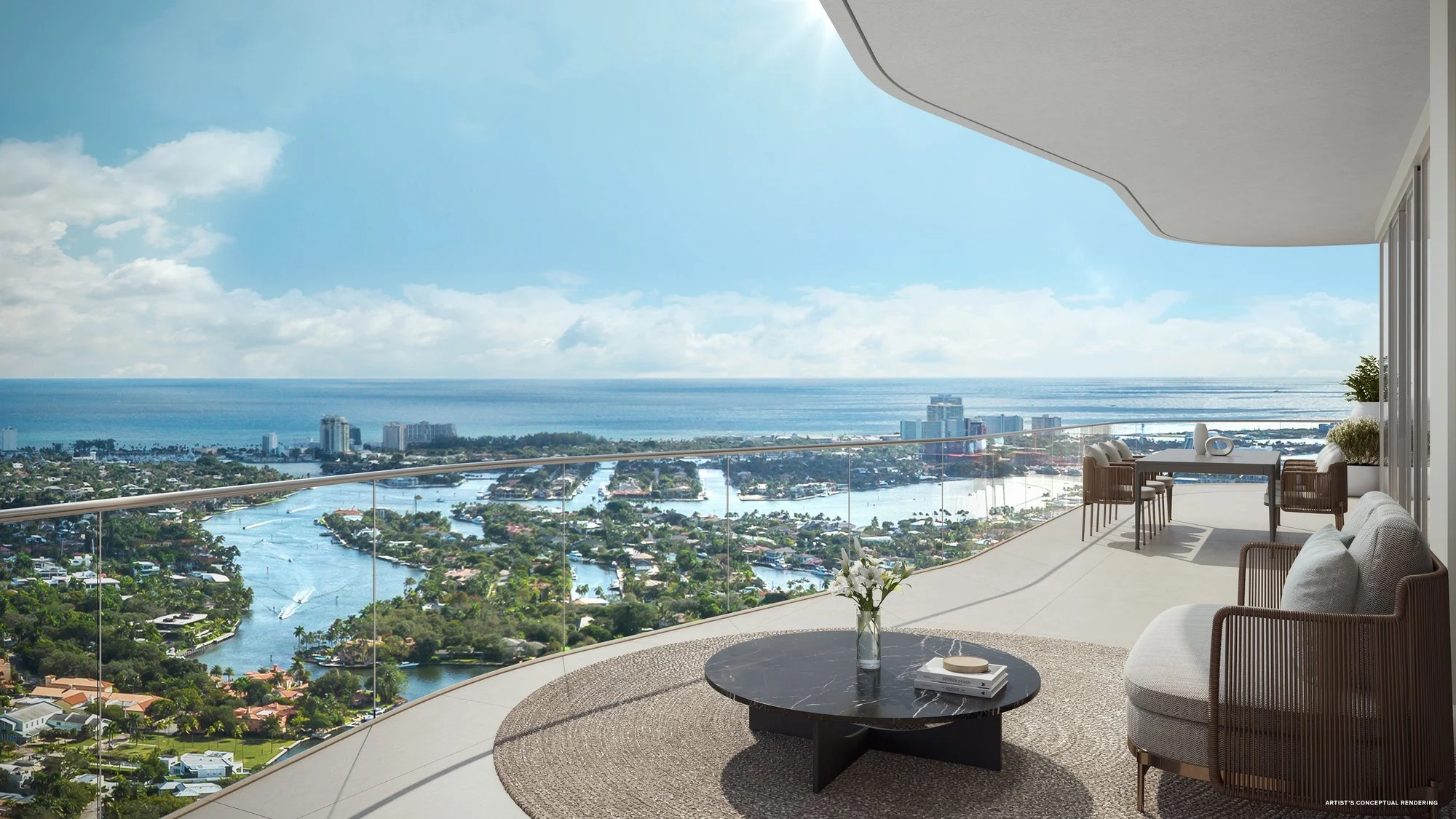
A private balcony at Andare Residences, Las Olas, Fort Lauderdale. Artist's rendering. Courtesy of The Related Group.
Frequently asked questions
Do I pay more for new construction if I bring my own agent? Generally no. Developers typically pay the buyer's agent's commission, but many require your agent to register you at or before your first visit.
Can you negotiate the price on a new construction condo in Fort Lauderdale? Sometimes, but value often comes more easily as upgrades, parking, closing-cost help, a better unit at the same price, or a friendlier deposit schedule.
What should a boater ask before buying a condo with a boat slip? Ask whether the slip is deeded, leased, or waitlisted, whether it transfers when you sell, the maximum boat length, beam, and draft, the depth at low tide, the bridges between the dock and the ocean, and the full cost of keeping a boat there.
How do I choose between new developments in Fort Lauderdale? Compare location, delivery timeline, total monthly costs, deposit structure, the developer's track record, rental rules, and water access side by side. An agent who knows the projects can help you narrow the field to your best fit.
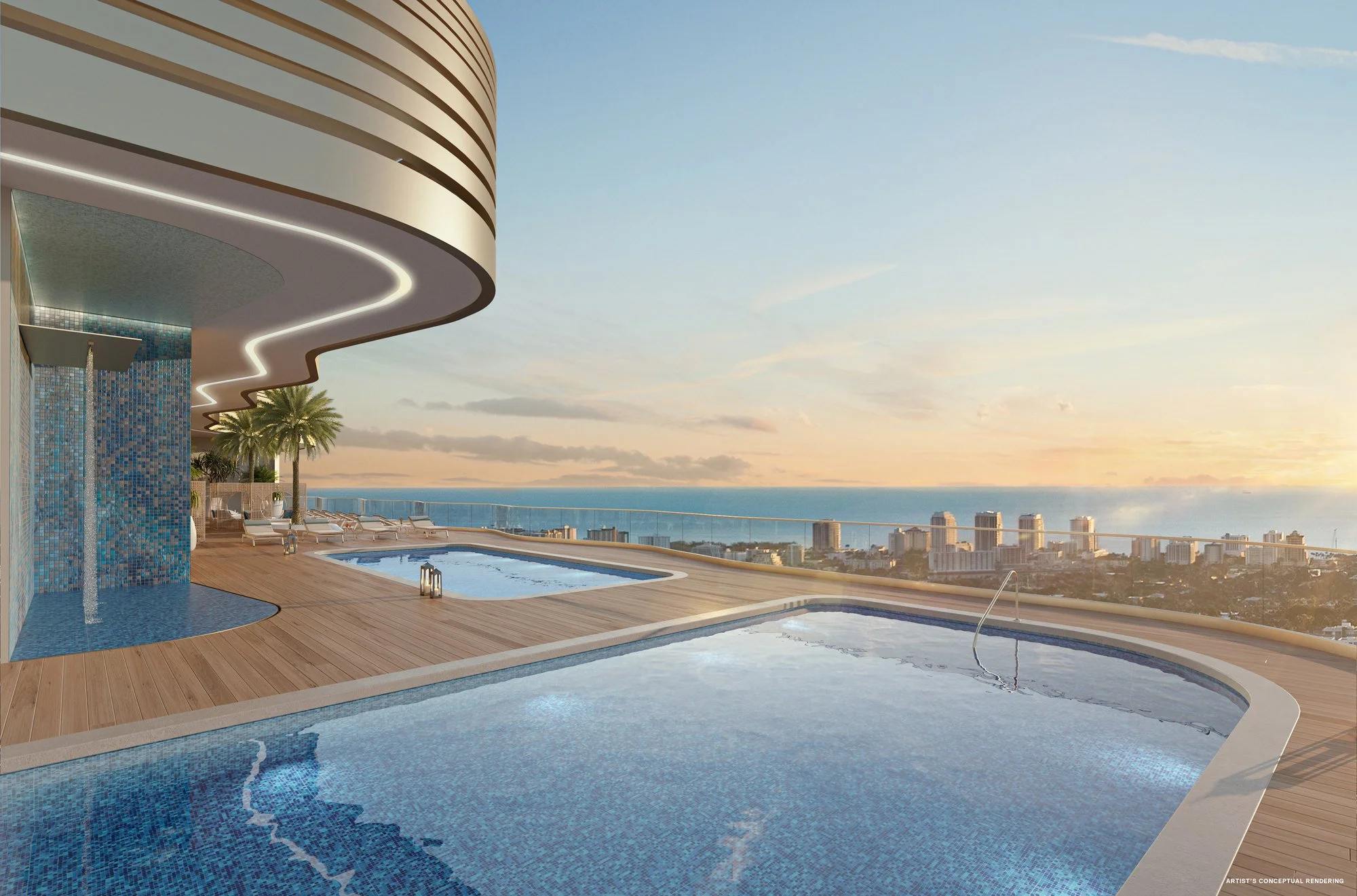
The rooftop pool deck at Andare Residences, Fort Lauderdale. Artist's rendering. Courtesy of The Related Group.
If you're considering a new building, text me before your first visit. We'll figure out which project fits you best and go in prepared.
Text or call Bryan: 312-735-5740
Bryan Hayes | Fidelity Real Estate LLC | Fort Lauderdale
This article is general information, not legal or tax advice.
